gabriele.
"every side quest you don’t take is a side quest you miss"
—
me, probably
about
I’m Gabriele, and the amount of interests i have can be debilitating. Luckly I have my personal creativity outlet at domoroshi.tech. If you are looking for the professional bio, this is the wrong place, you might check on linkedin for that. It’s just up here ⇡. Most of my projects are on github at @gabsalvo but not the top secret ones. I believe this atrophied tech landscape needs a little more genuine curiosity, a little more struggle, and a lot more originality. And friendly reminder that AI is my job, not my passion and you should be scared of anyone that tells you otherwise, the more you work with AI the more you crave poetry but we can still work together at: salvoaistrategy.eu. For the sake of completness I also have a spasmodic passion for pixel art, game development and ascii minimal art, but that’s a story for another day.
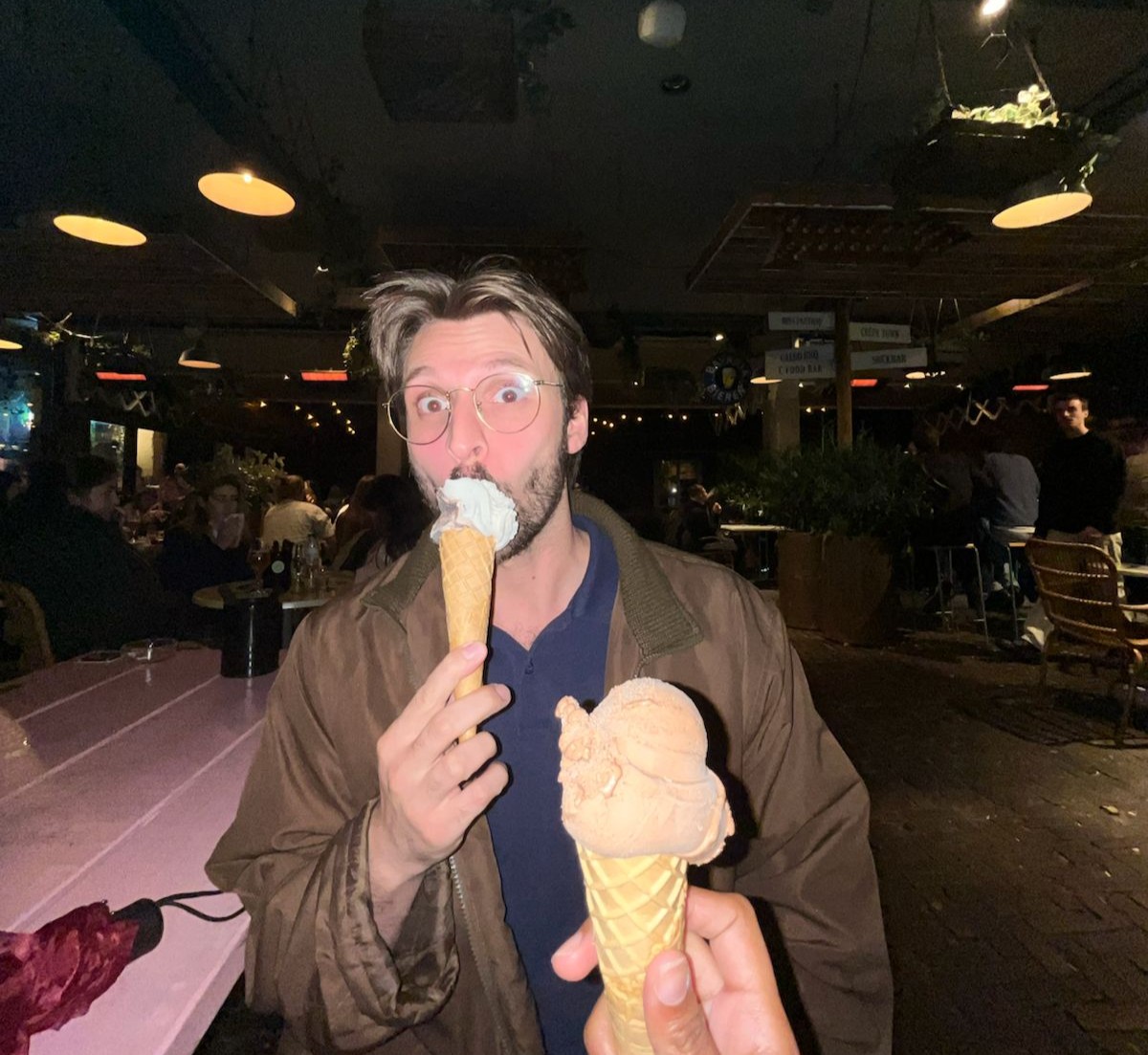
Speaking of passions, here’s some pictures with my beautiful wife
main quests
-
domoroshi.tech live
a weekly newsletter on building projects in the open wide world, going through my mental processes, challenges and successes. Written with a wee bit of wit.
-
CTO - colchix live
owning the whole architecture and building it from scratch. every layer, every decision, from the empty repo up.
-
doing my best to contribute to the open-source community by publishing my custom tools.
-
Learning to do my own PCB wip
because I deemed that being able to create custom hardware would be a nice skill.
xp points
side-quests that packed quiet a punch for my skillset.
-
Data Scientist - aircision shipped
investigated the aircision link and made it better. done and dusted.
-
annexIV died
a cli tool to check if your organisation is EU AI compliant according to the annex IV.
-
medjourney.ai died
a platform to allow doctors to cluster patients based on their medical history and symptoms.
-
and many many more but that’s for another day